The case for slower roast profiles
We spent six months re-timing our roast curves. The beans are quieter now, and that's the point.
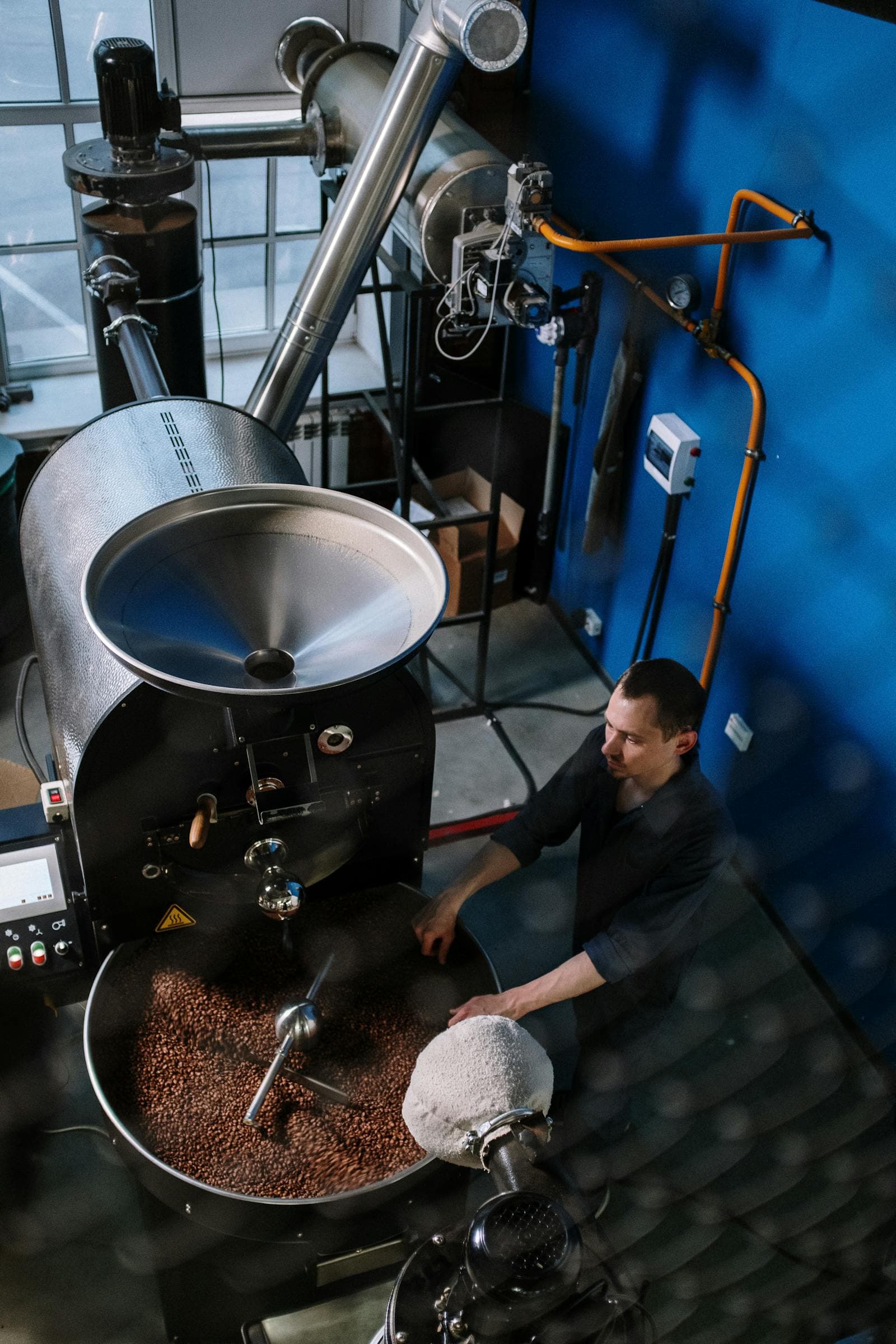
Modern specialty coffee has a fetish for fast. Fast first crack, fast development time, fast everything. It produces coffee that reads as bright on the cupping table — big acidity, front-loaded aromatics — and falls apart in the cup twenty minutes later.
Last autumn we started pulling our drum temperatures down and stretching development. A roast that used to finish at 10:30 now runs to 12:20. The beans come out a shade darker. The first sip is quieter. The second, third, and twentieth sip are better.
There's a real cost. Slower roasts mean fewer batches per day, which means slightly more per kilogram of green. We absorbed that because the coffee is obviously better, and because our repeat rate ticked up 11% in the first quarter of the new profile.
We did not announce the change. Most of our regulars have written to say something felt different about the coffee this spring, without being able to name it. That is the clearest signal we have that the decision was correct.